
American whiskey is defined by the U.S. Code of Federal Regulations as a distilled spirit from a fermented mash of any grain distilled at less than 95 percent alcohol by volume (190° proof) having the taste, aroma, and characteristics generally attributed to whisky, stored in oak barrels (except that corn whisky need not be so stored), and bottled at not less than 40 percent alcohol by volume (80° proof).
American Whiskeys are distinctive products of the United States and therefore must be produced in the country.
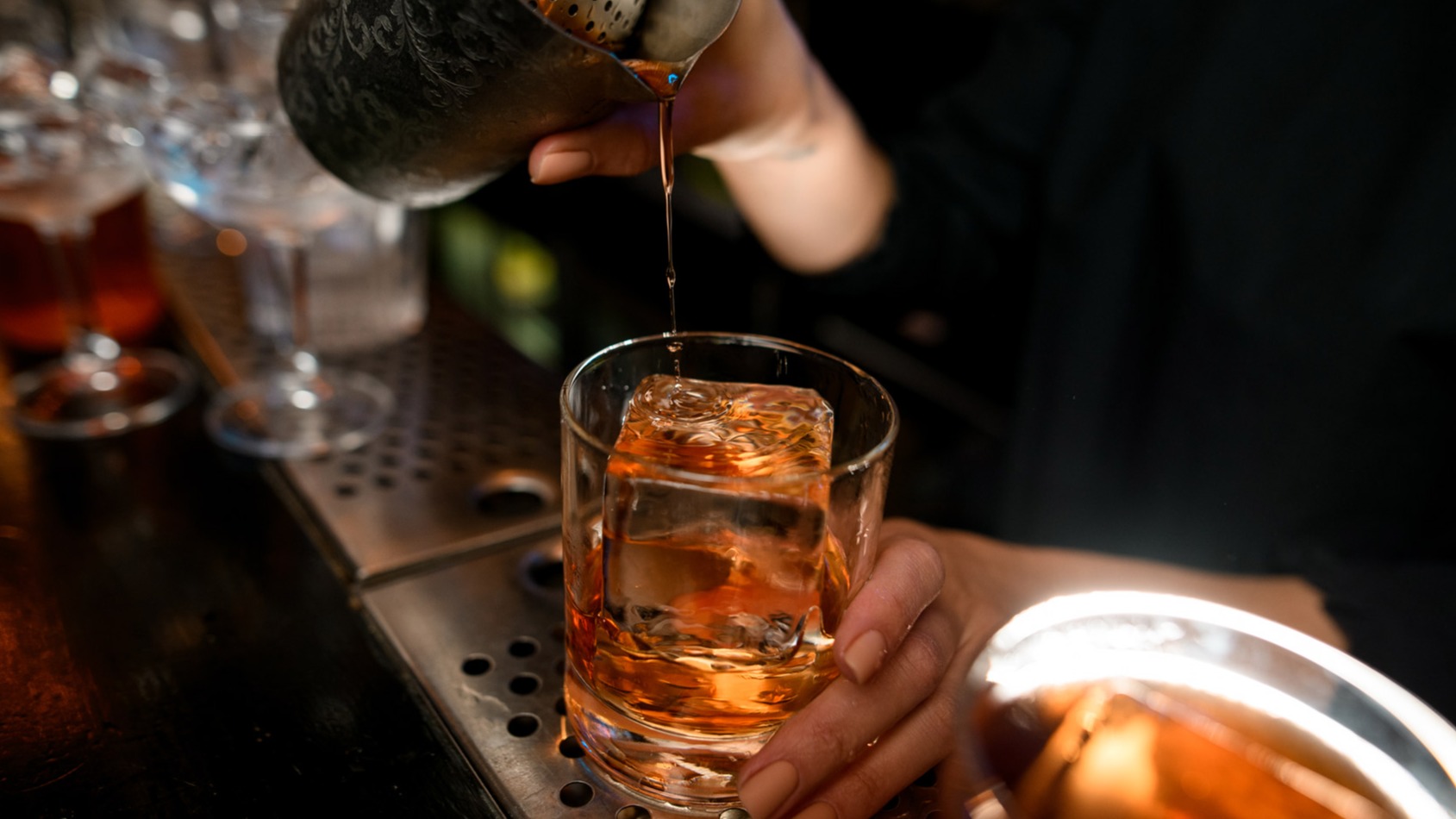
 Late 1700s
European immigrants from Scotland, Ireland, and Germany introduce distillation techniques to the U.S., establishing whiskey production in areas like Pennsylvania and Kentucky. Rye whiskey gains prominence due to the favorable growing conditions in the northeastern U.S.
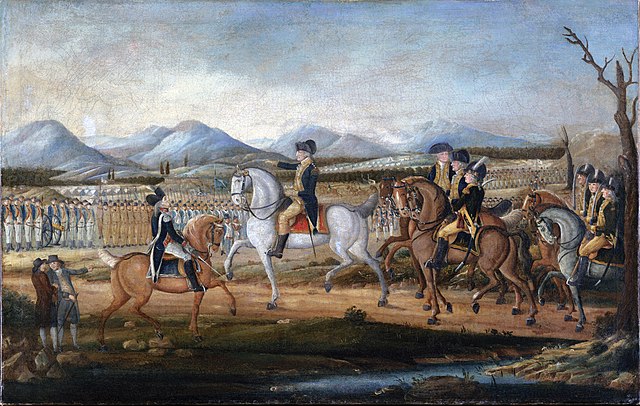 1791-1794
The Whiskey Rebellion occurs when the federal government imposes an excise tax on whiskey to help pay off Revolutionary War debt. The rebellion highlights whiskey's early economic and political significance, especially in western Pennsylvania.
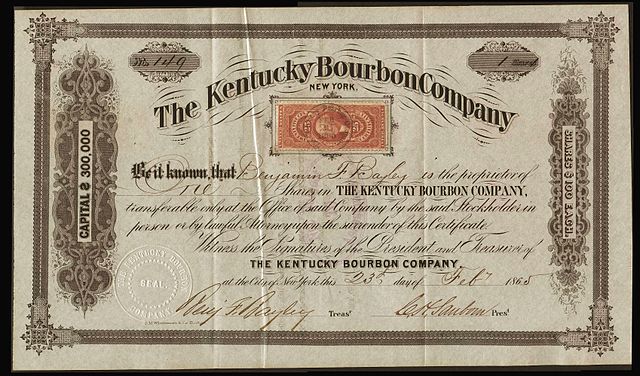 Early 1800s
Whiskey production expands westward with settlers, who adapt their recipes using local grains. Rye whiskey continues to dominate in the northeast, while Bourbon becomes the signature spirit of Kentucky.
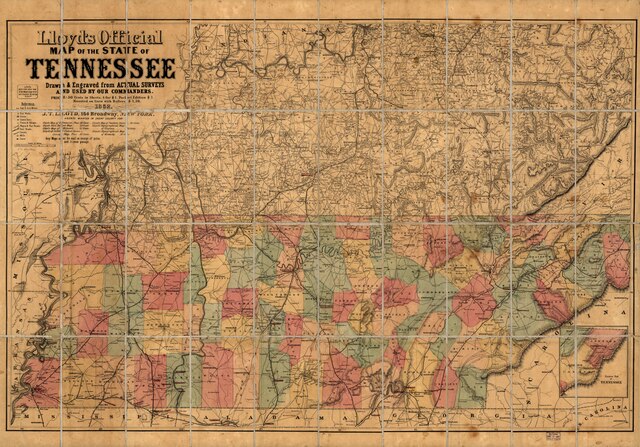 1820s
1820s
Tennessee whiskey begins to differentiate itself, eventually adopting the Lincoln County Process, involving charcoal filtering for smoother flavor
 1897
1897
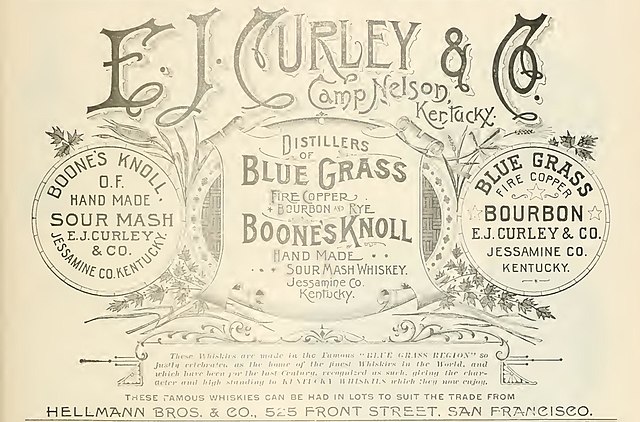
The Bottled-in-Bond Act is passed to ensure quality standards for whiskey, requiring whiskey to be made at one distillery, aged at least four years under government supervision, and bottled at 100 proof
 1920-1933: Prohibition Era
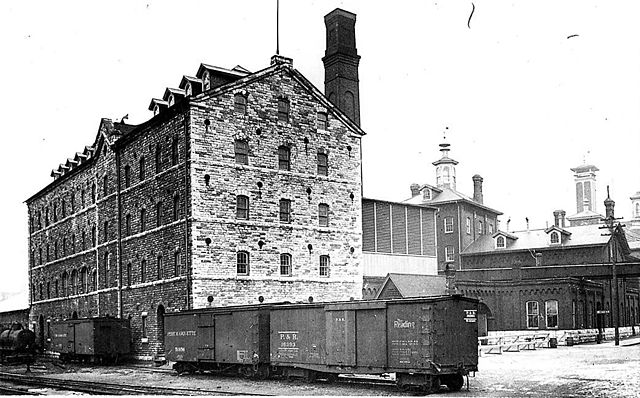
The production and sale of alcohol are banned across the U.S., severely impacting the whiskey industry. Many distilleries close, though some survive by producing medicinal whiskey
 Late1930s/40s: Post-Prohibition
Whiskey production resumes and thrives, with regional styles regaining popularity. Distilleries across the country rebuild, and American whiskey becomes a symbol of resilience
 1964
1964
Bourbon is declared a “distinctive product of the United States” by Congress, solidifying its place as an iconic American whiskey
 Mid-2000s–Present
The craft distilling boom takes off, with small distilleries emerging across the U.S. Craft whiskey production expands far beyond Kentucky and Tennessee, with states like New York, California, and Texas developing their own regional styles. The rise of local ingredients and innovative techniques has brought new diversity to American whiskey
There are countless ways to enjoy American whiskey’s depth and character —from classic cocktails to refreshing highballs. However, if you’re looking to explore the true essence of whiskey’s flavors, tasting it straight offers a unique journey through its rich history, craftsmanship, and nuanced layers. This guide will take you step by step through a tasting experience that celebrates the depth of American whiskey, one sip at a time.
1. Choose the right vessel
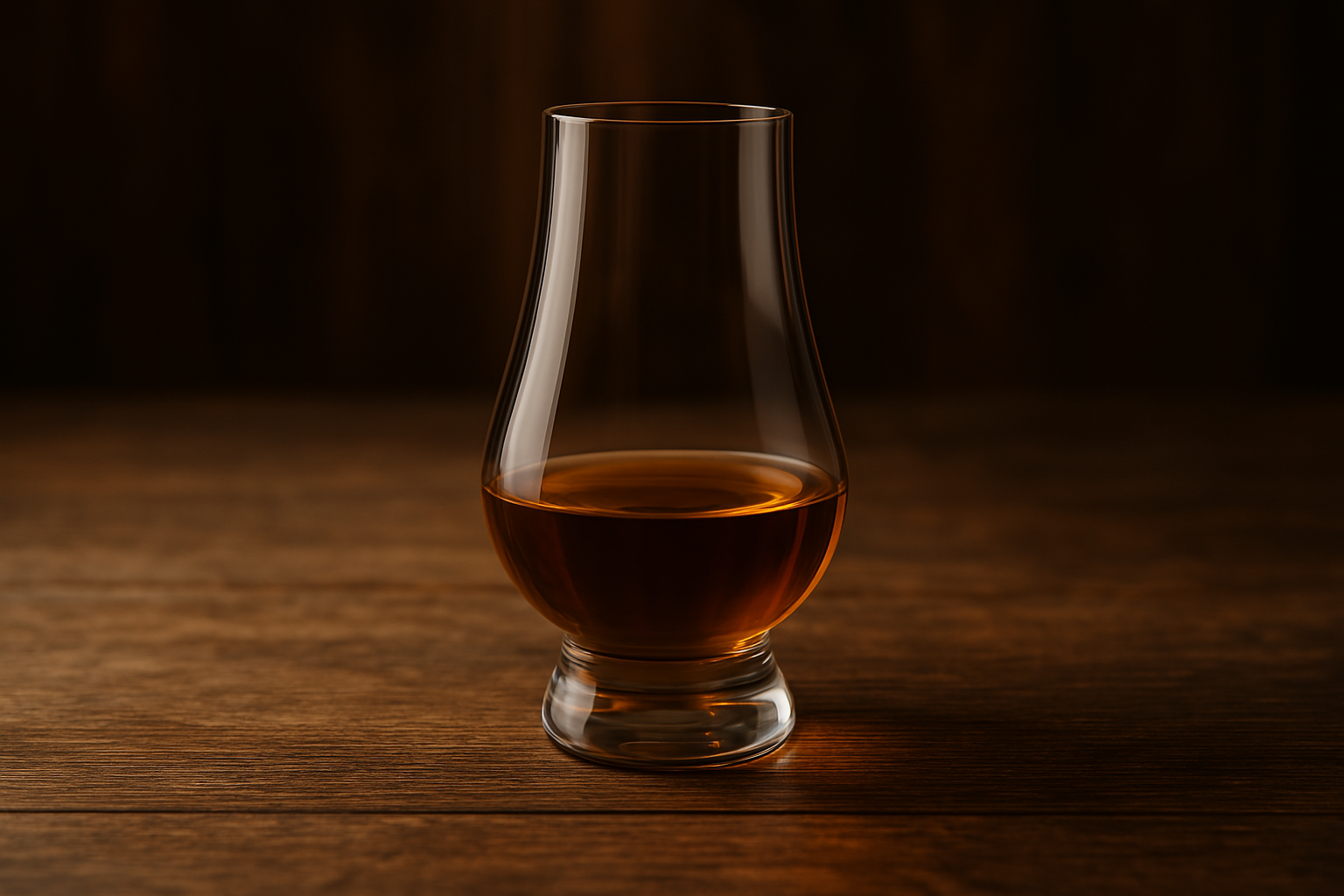
Use a tulip-shaped glass or Glencairn glass: This shape helps concentrate the whiskey’s aromas for a fuller experience.

2. Let the light come through
Hold the glass to the light: look at the whiskey’s color. American whiskeys aged in new, charred oak barrels will often have rich amber or golden hues. A darker color can indicate longer aging or a higher char level on the barrel.

3. Breathe it in
Swirl the whiskey gently to release its aromas, then bring the glass to your nose. Notice initial scents like vanilla, caramel, oak, or spice, which come from the new charred barrels. Try to detect subtler notes: these might include fruits, nuts, or smoky elements.

4. Take the first sip
Take a small sip and let it roll over your palate: this helps your taste buds engage with different flavor layers.
Note the initial flavors: Often, you’ll first experience sweet notes of caramel, honey, or vanilla.
Pay attention to the mid-palate: spices like cinnamon or nutmeg and earthy notes like tobacco or leather may emerge here, particularly in Rye whiskeys. The aftertaste, or “finish,” tells a lot about the whiskey. American whiskeys tend to have a long, warm finish with lingering oak, spice, or sweetness.

5. Let it linger
Take note of how the whiskey evolves as you continue sipping. Notice how the flavors change with each sip. The whiskey might become softer or more pronounced. Pay attention its texture, the “mouthfeel“: Is it oily, creamy, or thin? American whiskeys often have a robust mouthfeel due to the aging process and high grain content.

Embark on a captivating journey through America’s whiskey-making heritage with Destination Distillery, a unique travel experience designed by our partners at the Distilled Spirits Council of the US. This journey will take you through some of the nation’s most iconic distilleries, uncovering the rich traditions, craftsmanship, and culture that define American whiskey.
From Kentucky’s legendary Bourbon to Tennessee’s signature spirits, this exploration offers a unique opportunity to connect with the history, people, and places that shaped America’s beloved spirit.
Whether you’re a seasoned whiskey fan or a curious traveler, this experience will deepen your appreciation for America’s native whiskey.
