American whiskey is more than a spirit — it is an engine of economic growth, rural development, global trade and American craftsmanship.
The American Whiskey Association’s inaugural Socio-Economic Impact Report, Distilling Value: The Economic and Cultural Power of American Whiskey, is the first comprehensive national study dedicated entirely to understanding the full footprint of the American whiskey industry — from grain to glass.
This landmark report captures the scale, reach and strategic importance of American whiskey across the entire supply chain:
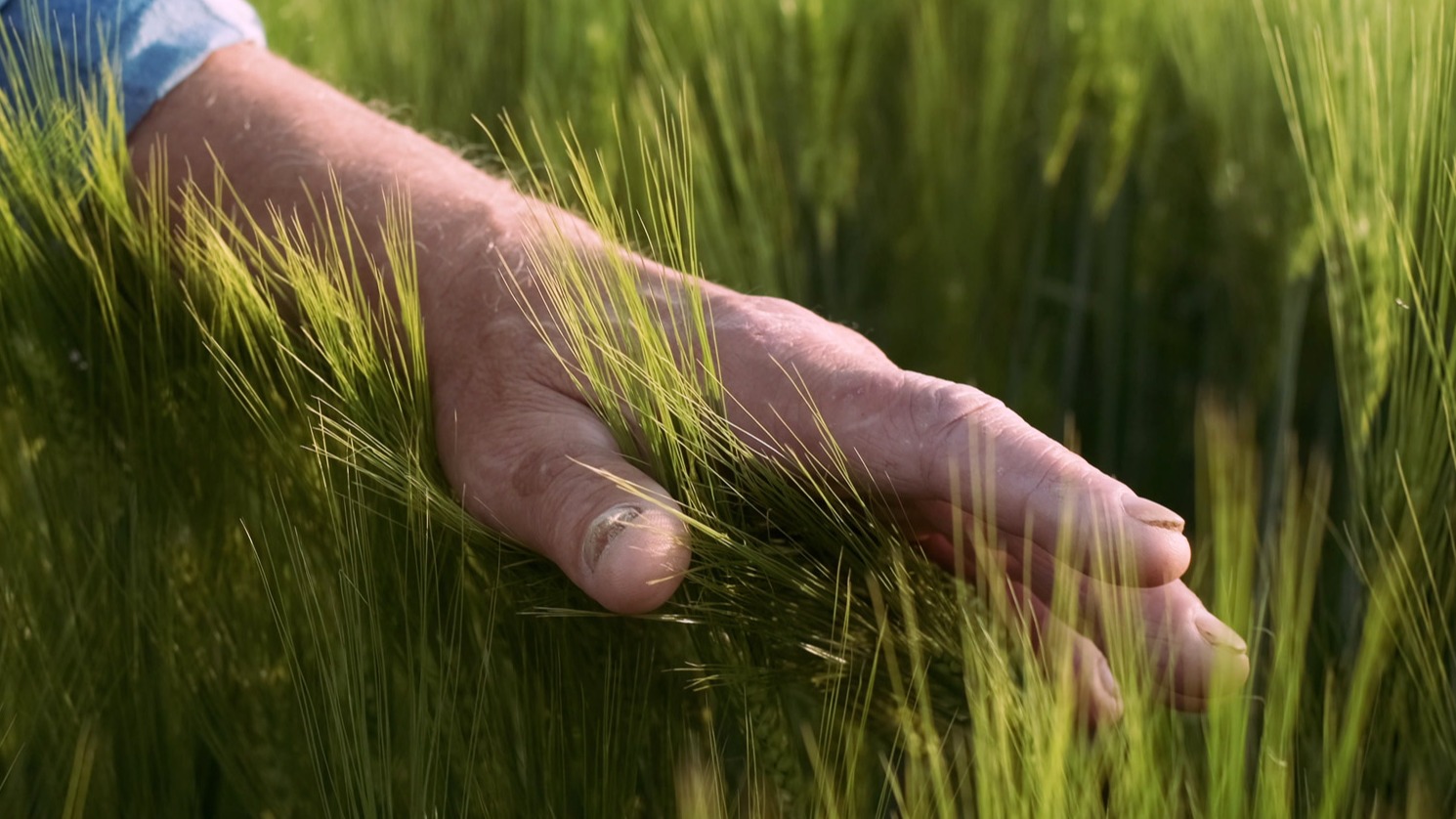
Agriculture: American farmers growing corn, rye, wheat and barley
Forestry & Cooperage: Sustainable American white oak supporting rural economies and skilled trades
Manufacturing & Distilling: Heritage producers alongside more than 2,300 craft distilleries nationwide
Retail, Hospitality & Tourism: Distilleries driving visitor economies and regional development
Exports & Trade: American whiskey as a cornerstone of U.S. spirits exports
The report also examines:
The industry’s multi-billion-dollar annual economic contribution
Its role in supporting millions of American jobs across agriculture, manufacturing, transportation, hospitality and tourism
The expansion of whiskey inventory and why global market access is essential for long-term balance and growth
Leadership in sustainability, white oak conservation, responsible production and rural revitalization
As trade tensions, tariffs and regulatory challenges reshape global markets, this report provides policymakers, industry leaders, media and investors with authoritative data and strategic context about what is at stake — and what is possible.
This is not simply an economic snapshot. It is a strategic blueprint for protecting, promoting and growing American whiskey at home and abroad.
American whiskey is planned years in advance, aged patiently, and sold globally. The industry’s long production cycles, expanding capacity and growing international demand underscore a simple truth:
When American whiskey wins abroad with fair market access, America wins at home.
From farmers and coopers to distillers, truck drivers, hospitality workers and tourism communities, the American whiskey supply chain supports livelihoods in all 50 states. Stable trade relationships and open markets are essential to sustaining that impact.
This report equips decision-makers with the intelligence needed to safeguard authenticity, expand market access and strengthen American whiskey’s long-term economic contribution.
The American Whiskey Association is offering briefings and presentations of the full Socio-Economic Impact Report for:
Media organizations
Policymakers and government stakeholders
Industry partners and member companies
Distilleries and potential members
Tourism and economic development organizations
To request a full presentation or media briefing, please contact:
Michael Bilello
President & CEO
American Whiskey Association
📩 Michael@american-whiskey.org
 Raw materials supply
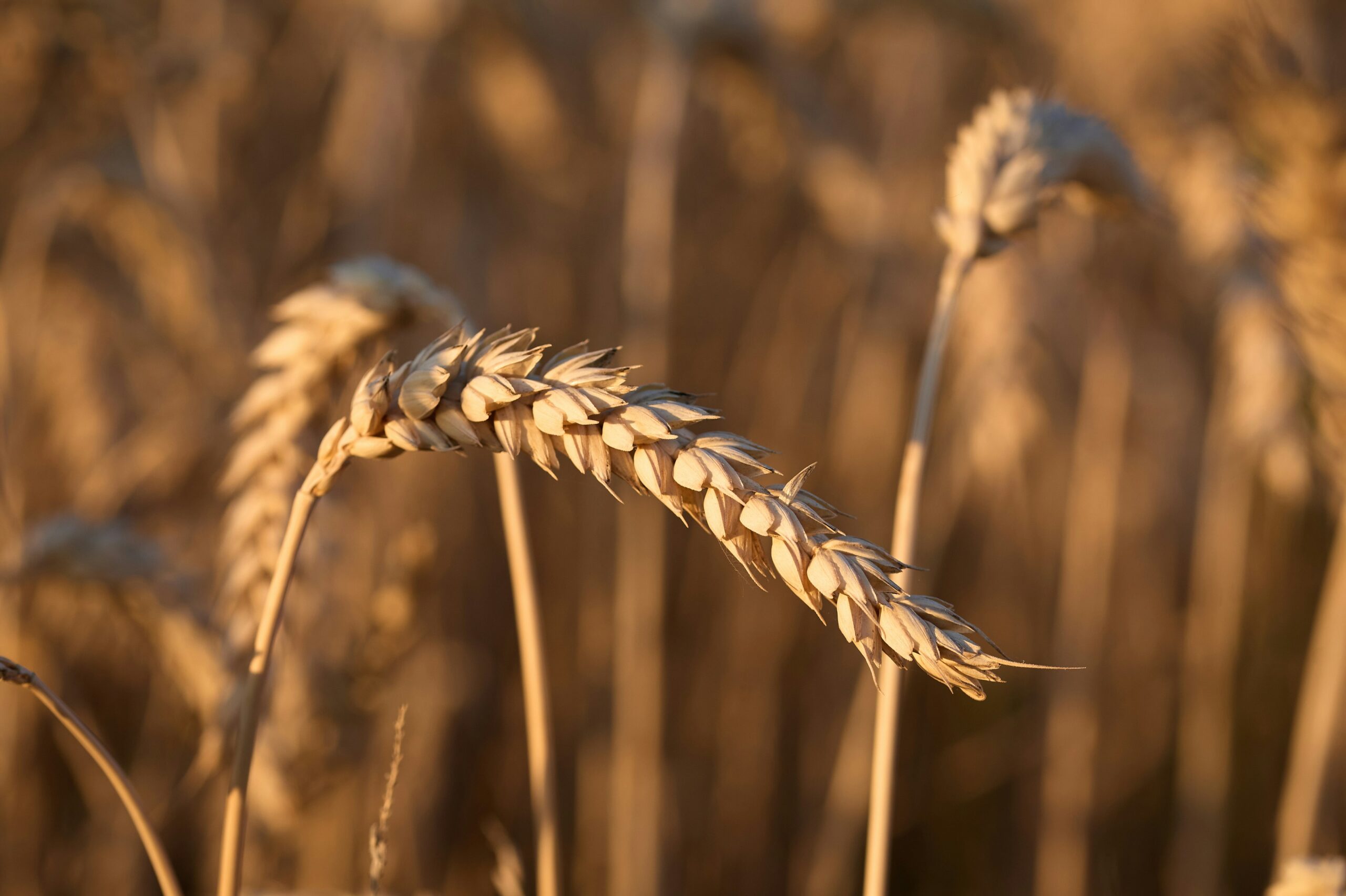
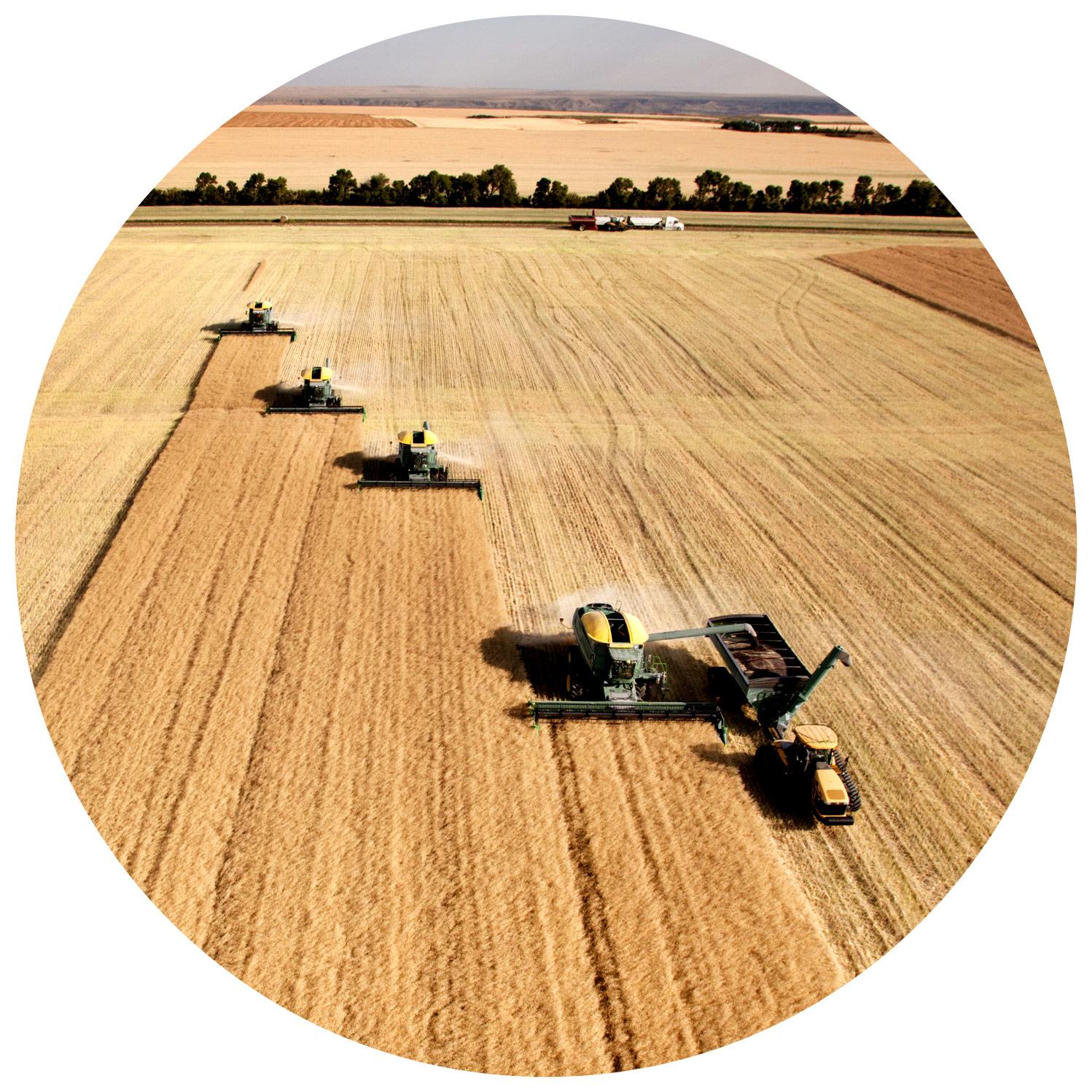
American whiskey production begins with the cultivation of grains such as corn, rye, wheat, or barley. In addition to grains, other raw materials like yeast and water – which is often sourced locally – are essential. The industry’s demand for these raw materials supports farmers and agricultural suppliers at the local level, providing a steady income for rural communities.
 Distilling
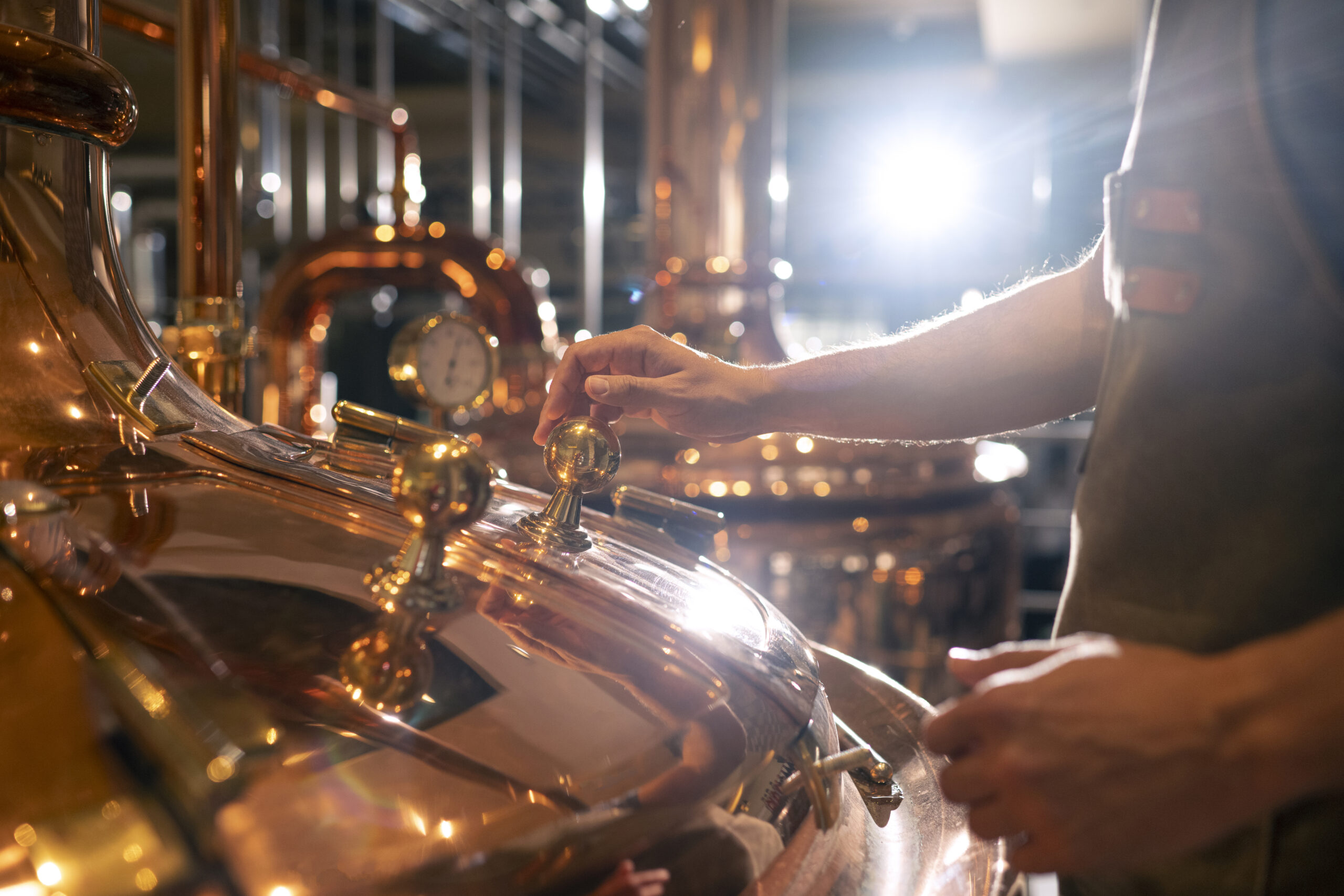
American Whiskey production is labor- and equipment-intensive. The construction of distilleries generates significant investment in local infrastructure. Additionally, the production process provides jobs for technicians, engineers, and laborers involved in distilling operations and facility maintenance.
 Aging and warehousing
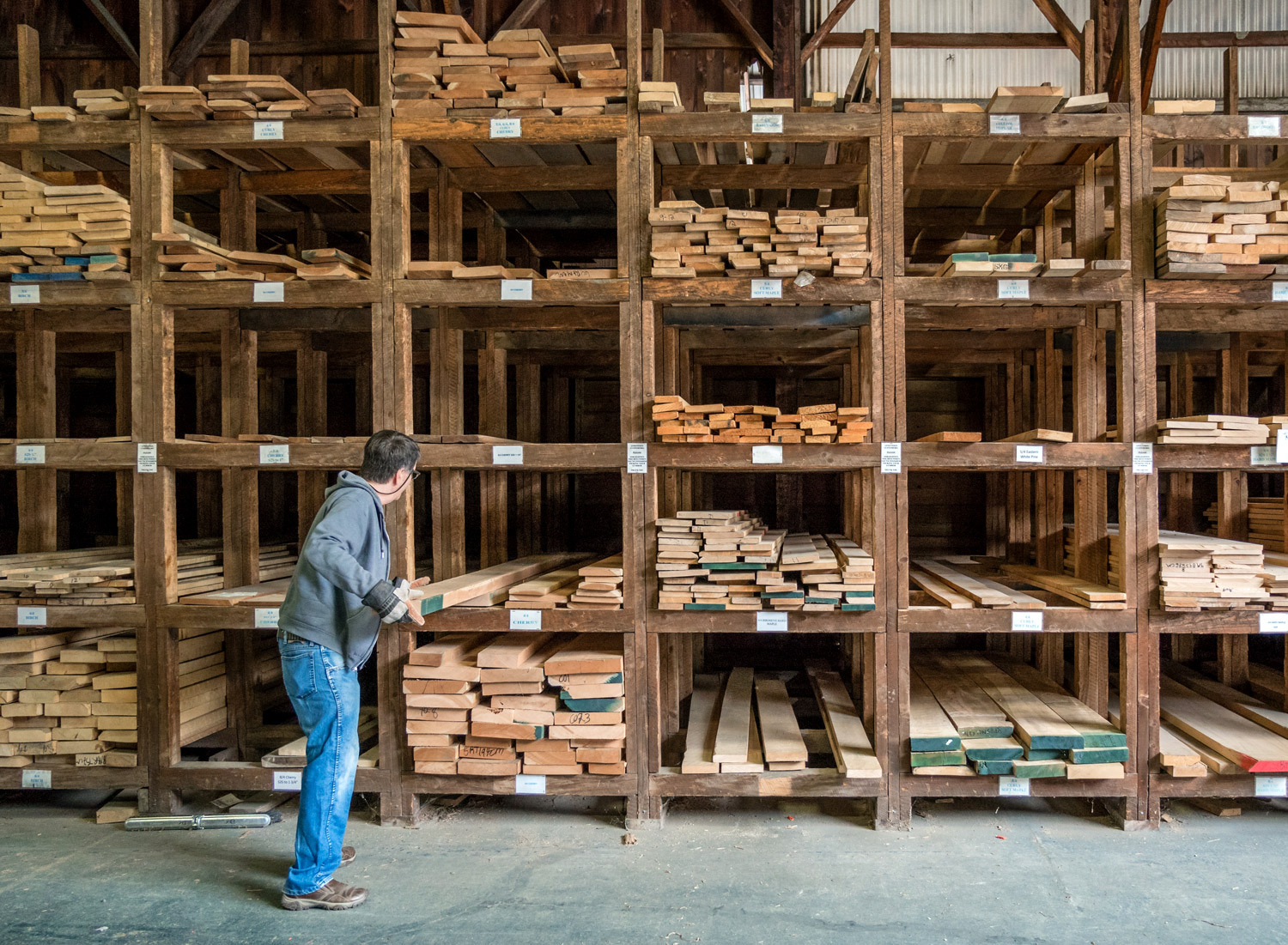
American whiskey is aged in oak barrels, often produced by cooperages (barrel makers). This supports both the timber industry activity and skilled trades such as coopering. The aging process of American Whiskey can last several years and thus requires large storage facilities and long-term investment. These facilities contribute to local economies via investments in property and infrastructure and job creation for warehousing staff.
 Bottling and packaging
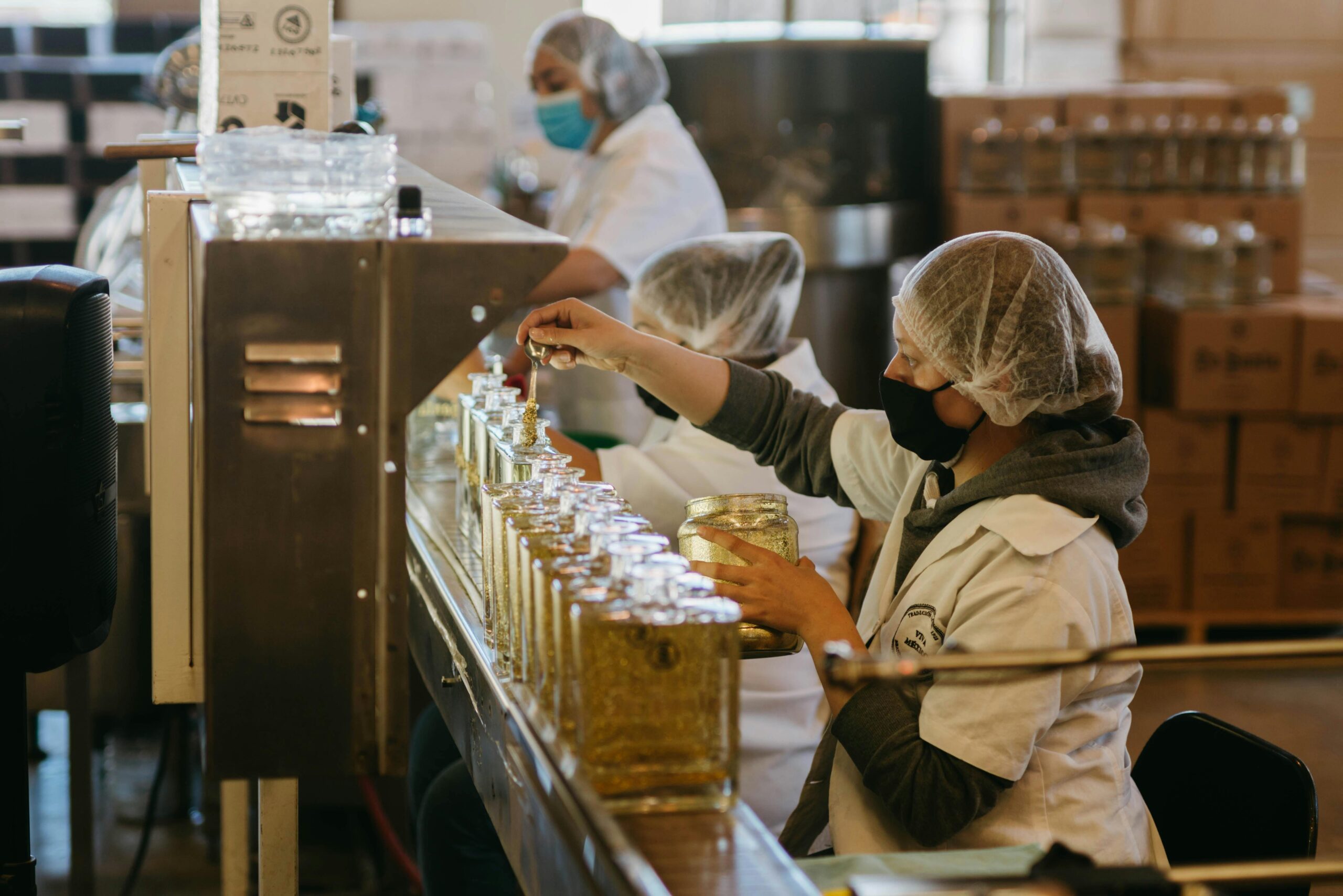
Once aged, American Whiskey is bottled and packaged, supporting additional manufacturing sectors such as glass production, bottle design, labelling, packaging materials…
 Transportation and distribution
Once packaged, American Whiskey is ready to be distributed across a network of wholesalers and distributors in the US and abroad. This step creates jobs in transportation and logistics, from truck drivers to warehouse managers and sales teams, both at a local and a global scale.
 Consumption
American whiskey is sold through retail outlets including liquor stores, bars, and restaurants, supporting jobs in retail, tourism and hospitality. Additionally, distilleries often serve as tourist attractions with a wide offering of tours, tastings, and events. American whiskey tourism draws visitors to regions with a rich whiskey heritage (like Kentucky and Tennessee), contributing to supporting local hospitality businesses such as hotels and restaurants and boosting overall tourism.
 $5.2bn
ANNUAL INDUSTRY REVENUE
$5.2bn
ANNUAL INDUSTRY REVENUE
The American Whiskey industry’s economic footprint goes far beyond distilling.
Source: DISCUS, 2024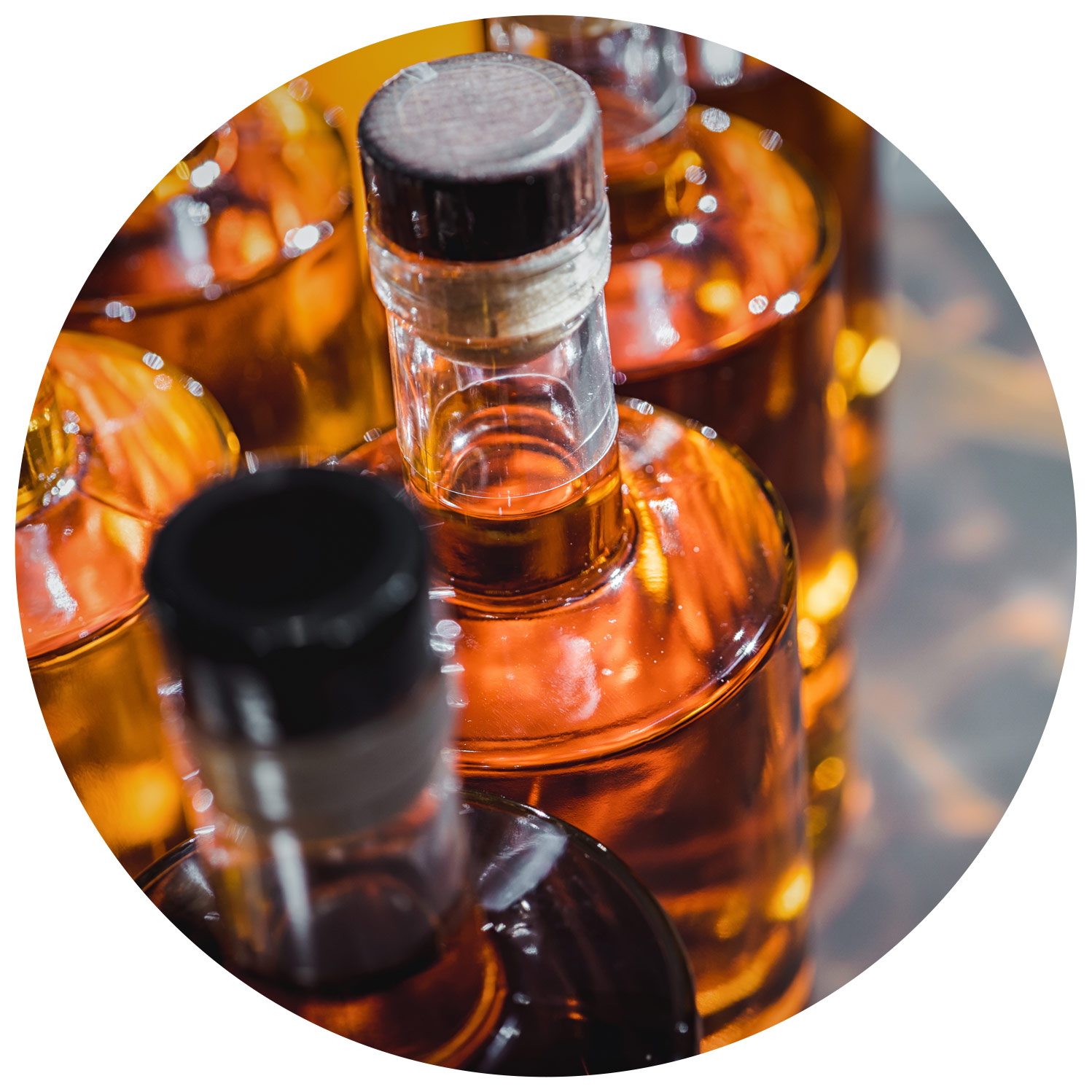 2,300+
DISTILLERIES ACROSS THE US
2,300+
DISTILLERIES ACROSS THE US
American Whiskey is among the fastest growing spirits categories in the US.
Source: Global Drinks Intel, 2023 54%
OF US SPIRITS EXPORTS IN VALUE
54%
OF US SPIRITS EXPORTS IN VALUE
American Whiskey is one of the United States' key export products, creating jobs and generating wealth in communities across the nation.
Source: DISCUS, 2025The American Whiskey Association is strongly committed to the responsible sale and consumption of American Whiskey
We believe American Whiskey’s unique craft and character is best enjoyed responsibly. To this end, our members are committed to best practice on responsible alcohol marketing and sales, and comply to industry regulations and standards in this area.
Additionally, we will continue exploring collaboration opportunities and joint initiatives with industry partners and alcohol responsibility organizations, dedicated to educating consumers on how to enjoy our products safely.
Our industry is committed to reduce its impact on the environment. We work together to develop solutions to environmental issues specific to American Whiskey, and make an active contribution to the environmental debates affecting our industry. Our key priorities are: